We remove winter debris and prepare your outdoor space
Spring Yard Cleanup in Texas for Clear, Ready Yards
Spring Yard Cleanup in Texas clears fallen leaves, broken branches, weeds, and other winter buildup so your lawn and outdoor areas are ready for the growing season. Texas Yard Cleanup Pros serves homeowners, landlords, and property managers across the state. From humid Gulf Coast yards to dry West Texas lots, we adjust the work to the site, the debris, and the local disposal requirements.
Spring Yard Cleanup in Texas is a seasonal property maintenance service that removes winter debris and overgrowth before active planting and lawn growth begin. We rake or vacuum fallen leaves, gather twigs and small branches, cut back suitable overgrowth, clear accessible yard drains, and collect green waste for proper handling. The work is tailored to the property: a shaded lawn with leaf buildup needs a different approach from a large lot with brush and woody vegetation. We leave healthy plants in place and keep cleanup focused on the areas you want usable.
Texas weather shifts by region, so spring cleanup needs to account for wet Gulf Coast conditions, windy open lots, and changing freeze patterns farther north and west. Our spring yard clearing service Texas homeowners book often follows winter storms, heavy leaf drop, or months of mild-weather weed growth. If you want to book spring yard cleanup for Texas homes before planting, we remove debris that hides low spots, blocks surface inlets, or makes beds difficult to reach, then gather material for disposal under applicable local rules.
Our spring cleanup covers the agreed seasonal debris and surface work needed to make your outdoor areas usable again. We gather leaves, weeds, and small branches; clear specified paths and visible drain openings; and collect green waste. Heavy tree work, underground drainage repairs, and regulated pesticide applications require separate qualifications or service planning. We confirm the included tasks and price before work begins so you know what the crew is handling.
01
✓
Leaves and Lawn Debris
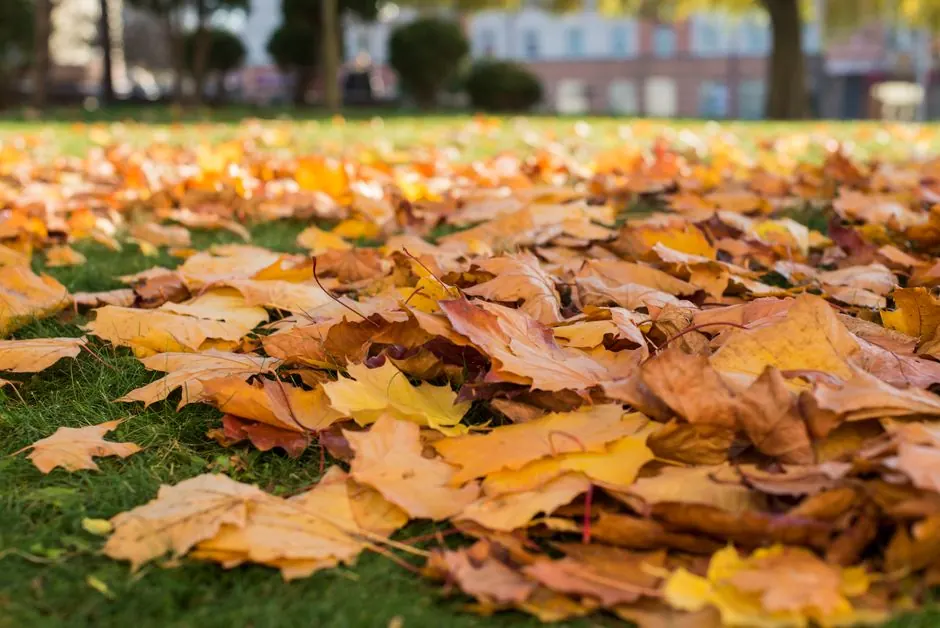
We rake or vacuum fallen leaves, pine needles, acorns, and loose grass clippings from agreed lawn areas and edges. Collection methods depend on turf, bed layout, and debris depth. Removing dense leaf buildup helps expose the lawn so you can spot bare patches, surface damage, and areas needing follow-up care.
02
✓
Branches and Storm Material
We collect twigs, small branches, and accessible storm-damaged limbs that are safe to handle as routine cleanup. Larger or elevated limbs are not treated as ordinary yard debris. We keep gathered material out of walkways and organize it for loading in a way that fits the access available at your property.
03
✓
Weeds and Overgrowth
We remove or cut back agreed weeds and manageable overgrowth in beds, borders, and selected open areas. Dense brush and woody vegetation are assessed for the right equipment and time. If regulated pesticide application is part of the requested work, it is handled only under the required Texas Department of Agriculture license.
04
✓
Paths and Surface Openings
We clear loose debris from agreed walkways, gates, and accessible surface inlets so you can move through the yard and inspect the openings. This removes material sitting on the surface; it does not include clearing underground pipes or repairing drainage systems. We flag visible concerns that fall outside routine cleanup.
05
✓
Green Waste Collection
We gather approved green waste into a practical loading point and prepare it for hauling or local disposal. The method depends on volume, vehicle access, and applicable local requirements. You will not be left with scattered piles across the areas included in the cleanup.
How it works
How the Cleanup Visit Works
We start with a brief walk-through of your lawn, beds, paths, gates, and accessible drainage points. You identify priority areas, fragile plantings, and material you want left in place. We note steep slopes, narrow access, and large limbs that need separate handling. This first step usually takes 10-20 minutes and keeps the work aligned with what matters to you.
We separate the job into clear tasks: leaf removal, branch gathering, weed cutting, light trimming, or brush clearing. You receive upfront pricing before work starts, based on the agreed work and visible conditions. If a limb appears to require tree work beyond ordinary cleanup, we identify that boundary rather than treating it as routine yard debris.
Our crew works from the far edges toward collection points, keeping cleared sections separate from debris still being gathered. We use rakes, blowers, and collection equipment suited to the surface, taking care around turf, beds, fences, and outdoor fixtures. A compact yard can take about 2 hours; larger or heavily overgrown properties require more time.
We consolidate leaves, weeds, small branches, and other approved green waste for loading. Yard waste bags or a wheelbarrow help move material through tight gates without dragging piles over finished lawn. Disposal and hauling follow applicable Texas local solid-waste and yard-waste requirements, along with commercial hauling requirements where applicable.
Before wrapping up, we walk the cleaned areas with you and check the agreed priorities, including visible drain openings and cleared walkways. You can point out a missed patch while the crew is still on site. We leave the work area gathered and accessible, with any requested follow-up tasks identified plainly.
STEP 01Walk the Property
We start with a brief walk-through of your lawn, beds, paths, gates, and accessible drainage points. You identify priority areas, fragile plantings, and material you want left in place. We note steep slopes, narrow access, and large limbs that need separate handling. This first step usually takes 10-20 minutes and keeps the work aligned with what matters to you.
Tools & methods
Tools and Cleanup Methods
01
✓
Commercial leaf blower
We use controlled airflow to gather loose leaves and light debris from open lawn, hard surfaces, and accessible edges. On planted beds, we adjust the method to avoid scattering mulch or disturbing delicate growth.
02
✓
Lawn rake
A lawn rake lifts matted leaves and small debris where powered airflow is unsuitable. It gives the crew more control around turf, plants, and fence lines, especially where debris is damp or packed together.
03
✓
Leaf vacuum
A leaf vacuum collects loose leaves in areas where gathering and containment are more efficient than blowing. We select it for compatible surfaces and access, then manage collected material for the agreed disposal plan.
04
✓
String trimmer
We use a string trimmer for appropriate grass and weed growth along selected edges, fences, and hardscape. It is a trimming tool, not a substitute for brush removal or careful pruning around established plants.
05
✓
ECHO and STIHL equipment
ECHO and STIHL equipment may be selected for suitable cleanup tasks based on the material and property layout. Tool choice follows the work: debris type, noise considerations, access, and safe handling all matter.
06
✓
Wheelbarrow
A wheelbarrow moves collected branches, leaves, and green waste through accessible routes without dragging piles over clean turf. It is especially useful where gates or landscaping limit direct vehicle access.
Real results
Before and after.
Spring Yard Cleanup
Leaf-Covered Lawn Reset
A shaded residential lawn has a thick layer of fallen leaves, with smaller piles trapped against the fence and under shrubs. The homeowner cannot see several bare patches and has been postponing spring planting because the beds and lawn edges are buried.
After: We clear the agreed 1,800-square-foot lawn, gather the fence-line piles, and remove loose material from the bed edges. The homeowner can see the turf again, inspect the bare patches, and use the main path without stepping over debris.
Small branches, leaves, and broken plant material cover a side route and the gate area after a storm. Yard bins are difficult to move, and debris is packed around a visible surface inlet.
After: We gather the accessible branches, clear the route, and remove loose material around the visible inlet. The 25-foot side path is passable again, and the opening can be inspected without debris hiding its edge.
Weeds and long grass have spread along a 40-foot fence edge and started covering the border between lawn and planting beds. The owner cannot see where to add mulch without disturbing established plants.
After: We trim the agreed growth, gather the cut material, and expose the bed line while leaving established shrubs in place. The owner can see the border clearly and plan mulch placement without first cutting through tangled vegetation.
Spring property cleanup before planting season in Texas helps you reclaim lawn space, expose beds, and see where water or foot traffic is being affected by debris. We target the material causing the problem, then collect it instead of shifting it from one corner of the yard to another.
Leaf buildup has smothered turf and hidden bare patches.
We rake or vacuum the affected lawn, collect the leaf layer, and separate it from beds and planting areas. We work in manageable sections to avoid spreading debris back over clean turf. Once the surface is visible, you can assess thin spots and decide whether lawn repair or routine mowing is next.
↗02
Storm debris and broken limbs cover paths and lawn edges.
We gather accessible branches and loose storm material, clear agreed paths, and organize debris for removal. The crew distinguishes small ground-level material from large or elevated limbs that require tree-work handling. This restores ordinary access without presenting hazardous tree work as a standard cleanup task.
↗03
Weeds and dense growth are spreading through beds and fences.
We cut back or remove agreed weeds and manageable overgrowth, working around plants you want to keep. Where dense brush requires heavier clearing, we plan the right tools and collection method. Any regulated pesticide application is limited to appropriately licensed personnel.
↗04
Leaves and clippings are collecting around visible yard drains.
We clear loose material from accessible grates and the surrounding surface, then check that the opening is visible. This is a yard-level debris service, not underground drain repair. If water continues to stand after surface cleanup, you can arrange a separate drainage assessment.
↗
Proof you can check
Safe, Responsible Work
OSHA safety training · Occupational Safety and Health Administration
Texas Department of Agriculture pesticide applicator license · Texas Department of Agriculture
ANSI Z133 arboricultural safety standard · American National Standards Institute
Texas arborist registration requirements · Texas Department of Agriculture
Schedule spring yard cleanup in Texas after the main winter debris has settled and before you begin planting, often from late winter into spring. Timing varies because Gulf Coast yards warm earlier than some northern and western areas. We also consider wet soil: waiting until turf can support foot traffic helps prevent ruts. If a storm leaves branches or blocked surface inlets, arrange cleanup sooner for access and drainage.
Spring yard clearing includes collecting fallen leaves, twigs, small branches, weeds, and other agreed seasonal debris, plus clearing accessible paths and visible surface drain openings. Light trimming or heavier brush removal is included only when it is part of the work plan. We gather the material for appropriate disposal and review finished areas with you. Tree removal, underground drain repair, and regulated pesticide work are separate tasks requiring the appropriate qualifications.
Most residential spring yard cleaning costs $180-$850 in 2026, with a small, lightly affected yard near the lower end and large or overgrown properties costing more. Price depends on area, debris depth, access, branch size, and hauling volume. A 2-hour light cleanup differs from a 6-hour job with dense brush and multiple loads. We provide upfront pricing for the agreed tasks before work starts.
Yes, spring cleanup can remove surface weeds, fallen branches, storm debris, and loose green waste when those tasks are included in your work plan. We cut or gather material appropriate for routine yard cleanup and keep it separate for collection. Large hanging limbs, tree hazards, and regulated pesticide treatment need appropriately qualified service. Tell us where debris is concentrated so we can plan access and equipment.
Where we deliver this service
Cities We Serve Across Texas
We deliver spring cleanup across Texas, adapting the work to regional weather, yard size, and the debris each property has collected. Our crews serve cities from the Gulf Coast to inland communities and western regions, with local handling planned around access and applicable disposal requirements. Texas spring garden cleanup can mean clearing humid, fast-growing beds in one area and gathering windblown branches from open lots in another. Select your city to find the service details for your area.
Get winter leaves, weeds, and branches cleared before planting and outdoor projects begin. We provide upfront pricing for the agreed work and follow applicable Texas disposal requirements. Call Texas Yard Cleanup Pros to plan your spring cleanup.
Tell us what has built up in your yard and which areas you need cleared. Call +12813266673 to discuss service across Texas, including leaf piles, brush, weeds, and storm debris. Our listed hours are Monday through Friday, 8:00 a.m. to 6:00 p.m.; we respond to messages during business hours and help define a practical cleanup project.